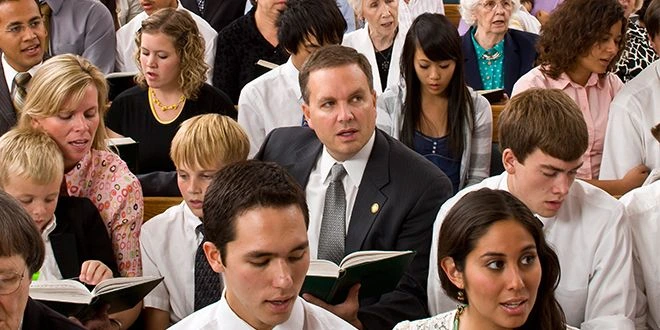

7 Tips Building a Strong Church Team

A strong church team can make an extraordinary difference to the life of a congregation. From Sunday services and pastoral care to children’s ministry and community outreach, effective teamwork helps people serve with confidence, consistency and a shared sense of purpose.
Yet building a strong church team takes more than recruiting enthusiastic volunteers. It requires clear responsibilities, mutual trust, good communication and leaders who recognise the gifts of others.
For Australian churches, this can be particularly important when ministry teams include a mix of paid staff, volunteers, part-time workers and people balancing church commitments with family and employment.
Whether your congregation is large or small, the following seven practical approaches can help you strengthen relationships, develop leaders and create a healthier ministry culture.
1. Start With a Shared Ministry Vision
Every strong church team needs to understand why its work matters.
A shared vision gives volunteers and staff a clear connection between their everyday responsibilities and the wider mission of the church. Without that connection, ministry can become a collection of tasks rather than a meaningful expression of service.
For example, a children’s ministry team does more than organise activities. Its purpose may be to help young people feel safe, welcomed and supported as they explore Christian faith.
Similarly, a hospitality team does more than prepare refreshments. It helps create an environment where newcomers can build relationships and experience a sense of belonging.
Church leaders can strengthen this shared purpose by regularly explaining how each ministry contributes to the congregation’s mission.
Put the vision into practice
- Write a short, understandable purpose statement for each ministry.
- Discuss how the team’s work supports the wider church.
- Review priorities at the beginning of each ministry term.
- Celebrate examples of meaningful service.
- Invite team members to contribute ideas and feedback.
A strong church team becomes more motivated when people understand both their responsibilities and the difference their contribution makes.
2. Give Everyone Clear Roles and Responsibilities
Unclear expectations are a common source of frustration in volunteer organisations.
When several people assume someone else is responsible for a task, important work can be overlooked. At the same time, enthusiastic volunteers may take on too much because nobody has clearly defined their role.
Clear responsibilities help prevent confusion and make ministry more sustainable.
Every team member should understand what they are expected to do, who they report to and where they can ask for support.
This does not require complicated organisational structures. Even a small church can benefit from simple role descriptions and a shared ministry calendar.
What should a volunteer role include?
A practical role description can outline:
- The purpose of the position.
- Main responsibilities and expected time commitments.
- The person providing supervision and support.
- Any required training or safeguarding checks.
- How to raise concerns or request assistance.
Australian churches should also ensure that roles involving children or vulnerable people meet the relevant safeguarding requirements, including applicable state or territory obligations.
The Australian Human Rights Commission’s National Principles for Child Safe Organisations provide a useful framework for organisations seeking to create safer environments for children.
Clear roles protect volunteers from unnecessary pressure and help leaders identify where additional support is needed.
3. Build Trust Through Honest Communication
Trust is one of the foundations of a strong church team.
People are more willing to contribute ideas, acknowledge mistakes and ask for help when they feel respected.
Church leaders can encourage this environment by communicating openly, listening carefully and responding fairly when concerns arise.
Regular meetings are useful, but they should have a clear purpose. A short, focused discussion is often more valuable than a lengthy meeting without decisions or follow-up.
Improve team communication
Keep everyone informed. Share important updates early, particularly when plans affect volunteers’ schedules.
Listen before responding. Allow team members to explain challenges without immediately dismissing their concerns.
Address conflict respectfully. Deal with disagreements directly and privately where appropriate.
Follow through on commitments. Reliability helps build confidence between leaders and volunteers.
Encourage questions. People should feel comfortable seeking clarification rather than guessing what is expected.
James 1:19 encourages believers to be quick to listen and slow to speak. That principle remains valuable in everyday ministry conversations.
Healthy communication does not mean avoiding difficult topics. It means creating a respectful environment where challenges can be addressed constructively.
4. Recognise and Develop Individual Strengths
Not everyone serves in the same way.
Some people are confident communicators. Others excel at organisation, practical support, hospitality, teaching, administration or working quietly behind the scenes.
A healthy church recognises these differences instead of expecting every volunteer to fit the same mould.
The Apostle Paul’s description of the church as one body with many members in 1 Corinthians 12 offers a valuable picture of shared ministry.
Different gifts contribute to a common purpose.
Church leaders can help people flourish by taking time to understand their interests, experience and abilities.
Help volunteers discover their strengths
Begin with simple conversations.
Ask what they enjoy, what they have learned through previous experiences and which responsibilities they would like to explore.
Provide opportunities to try different tasks without creating pressure to commit immediately.
Mentoring can also help emerging leaders develop confidence and practical skills.
For example, someone who enjoys welcoming visitors might gradually take responsibility for coordinating a hospitality roster. Another volunteer with organisational strengths may be well suited to helping plan community events.
Developing a strong church team means recognising potential and providing appropriate opportunities for growth.
5. Support Volunteers and Prevent Burnout
Volunteers contribute an enormous amount to church life, but their time and energy are not unlimited.
Many balance ministry responsibilities with employment, study, family commitments and personal challenges.
When churches rely too heavily on a small number of dependable people, those individuals may become exhausted or feel unable to step away.
Sustainable ministry requires thoughtful planning and realistic expectations.
A strong church team should make it possible for people to serve faithfully without sacrificing their wellbeing.
Create a healthier volunteer culture
- Rotate responsibilities where practical.
- Encourage regular breaks and time away.
- Avoid repeatedly contacting volunteers outside agreed hours.
- Train additional people so responsibilities can be shared.
- Thank volunteers for their contributions.
- Make it acceptable to decline additional commitments.
Leaders should also pay attention to signs of ongoing stress, frustration or disengagement.
A supportive conversation may reveal that someone needs a lighter workload, clearer guidance or a temporary break.
The Volunteering Australia website offers resources and information relevant to volunteer involvement across Australian communities.
Volunteer wellbeing should be considered part of effective ministry planning, not an afterthought.
6. Create Opportunities for Shared Leadership
A strong church team should not depend entirely on one pastor or ministry coordinator.
When every decision requires approval from the same person, progress can slow and emerging leaders may struggle to develop confidence.
Shared leadership allows appropriately trained and supported people to take responsibility for particular areas of ministry.
This does not mean removing accountability or abandoning clear leadership structures.
Instead, it involves delegating thoughtfully, providing guidance and trusting people to fulfil responsibilities within agreed boundaries.
Develop new leaders gradually
Start with manageable opportunities.
An experienced volunteer might lead a team meeting, coordinate a small event or mentor someone who has recently joined the ministry.
Provide clear expectations and make time for reflection afterwards.
Ask what went well, what proved difficult and what support would be helpful next time.
Effective delegation includes both responsibility and the resources needed to carry it out.
Churches can also strengthen leadership development by offering training in communication, safeguarding, conflict resolution and pastoral care.
When leadership is shared wisely, the church becomes more resilient and better equipped for future change.
7. Make Teamwork Part of Your Church Culture
Building a strong church team is not a one-off project.
Healthy teamwork develops through repeated habits, consistent encouragement and a willingness to learn from experience.
Churches should create regular opportunities for teams to reflect on their work.
This might involve a brief review after a major event, a quarterly ministry meeting or an annual conversation about volunteer experiences.
The goal is not to criticise individuals. It is to identify practical improvements.
Questions to ask your ministry team
Consider discussing:
- What has worked particularly well this term?
- Where have responsibilities been unclear?
- Are volunteers receiving enough support?
- Which activities are making the greatest difference?
- What could we simplify or improve?
These conversations help leaders recognise problems before they become entrenched.
They also demonstrate that volunteers’ experiences and perspectives matter.
A strong church team grows when feedback leads to meaningful action.
Common Church Team Challenges
Even well-established churches experience difficulties with teamwork.
Some of the most common challenges include inconsistent communication, limited volunteer availability, unclear decision-making and disagreements about ministry priorities.
The best response is usually to identify the underlying cause rather than simply asking people to work harder.
For example, repeated scheduling problems may indicate that the church needs a more reliable roster system.
Frequent misunderstandings may suggest that expectations have not been communicated clearly.
A ministry that depends on one person may need additional training and shared responsibilities.
Church leaders should also be willing to pause or simplify activities that no longer serve a clear purpose.
A healthy church is not necessarily the one with the busiest calendar. It is one that uses its people, time and resources responsibly.
A Simple 30-Day Church Team Plan
Church leaders do not need to redesign every ministry at once.
A practical 30-day plan can provide a useful starting point.
Week 1: Listen
Meet with team members and ask about their experiences, strengths and current challenges.
Identify areas where people feel supported and where expectations may be unclear.
Week 2: Clarify
Review ministry responsibilities, communication channels and volunteer schedules.
Make sure everyone understands the purpose of their role and knows whom to contact for help.
Week 3: Strengthen
Choose one practical improvement, such as introducing a clearer roster, providing additional training or establishing a regular team check-in.
Avoid introducing too many changes simultaneously.
Week 4: Review
Ask whether the changes have improved communication, confidence or workload.
Agree on the next priority and assign responsibility for following it through.
This approach helps a strong church team develop through manageable improvements rather than unrealistic expectations.
Frequently Asked Questions
What makes a strong church team?
A strong church team shares a clear purpose, communicates respectfully, understands individual responsibilities and supports volunteers. Trust, accountability and opportunities for leadership development are also essential.
How can churches improve teamwork?
Churches can improve teamwork by clarifying roles, holding purposeful meetings, encouraging feedback, developing volunteers and distributing responsibilities more fairly.
How do you motivate church volunteers?
Volunteers are more likely to remain engaged when they understand the purpose of their work, feel appreciated, receive appropriate support and have realistic responsibilities.
Why is teamwork important in church leadership?
Teamwork allows churches to combine different gifts, share responsibilities and respond more effectively to the needs of their congregations and communities.
Final Thoughts
A strong church team is built through relationships, shared responsibility and a genuine commitment to serving others.
Clear vision provides direction. Honest communication builds trust. Thoughtful delegation develops future leaders, while practical volunteer support helps ministry remain sustainable.
Churches do not need large budgets or complicated management systems to strengthen teamwork.
They need leaders who listen, people who feel valued and a shared willingness to keep improving.
By investing in these foundations, Australian churches can create ministry teams that serve their communities with greater confidence, care and purpose.
For more practical insights into ministry and leadership, explore the Church Leader Magazine article collection.